In 2024, I started building g2g, an outdoor lifestyle brand, to test how far I could scale a product business under real constraints.
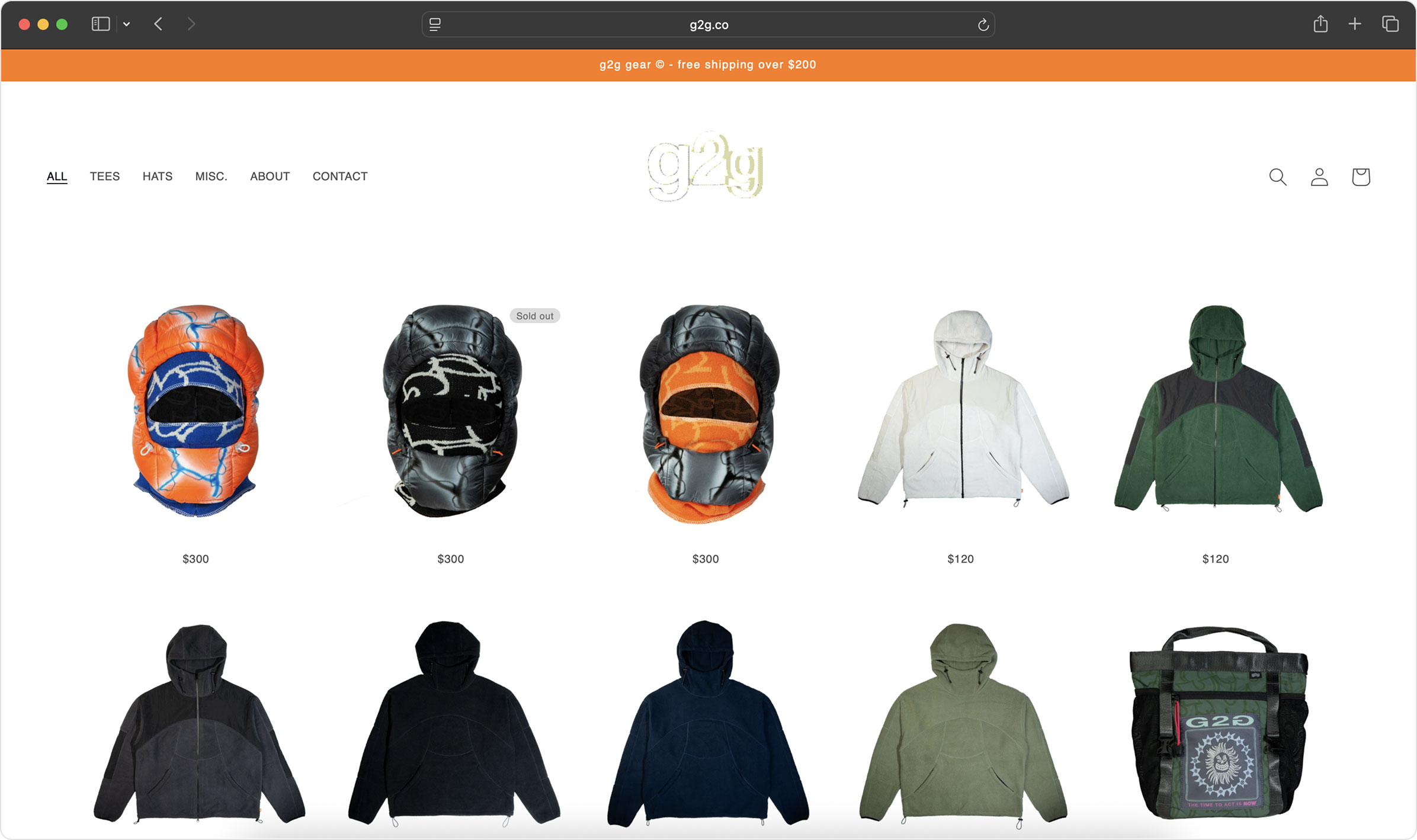
I was operating with ~$75k in self-funded capital, long lead times, high minimum order quantities, no manufacturing pipeline, and unproven demand. Every product decision carried real downside.
This case study focuses on how I designed product, capital, and growth systems to manage that risk while maintaining learning velocity.

2,600+ orders since 2024

$175k+ in revenue with 2-person core team

180% e-commerce growth year-over-year

Launched 100+ SKUs via multi-category product pipeline

Boosted AOV by 50% in 2025
g2g is an outdoor lifestyle brand. We blend technical sport-specific gear with irreverent branding and surface design.

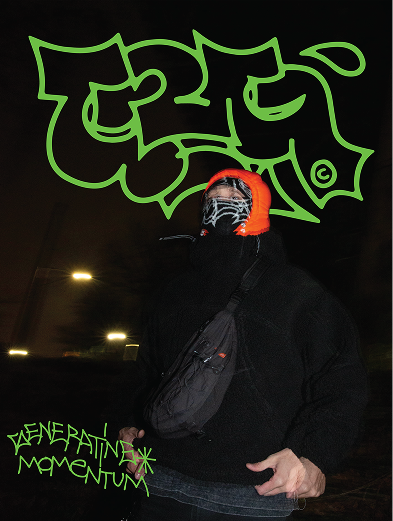




Our audience is Millennial and Gen Z consumers that coexist in urban and outdoor settings. Our consumers value art, design, and identity.
For this audience, gear functions both as equipment and self-expression. Products need to perform, but they also need to signal taste, culture, and belonging.

Dillon Jacobson
Co-founder, CEO

Stephanie
Co-founder, Designer
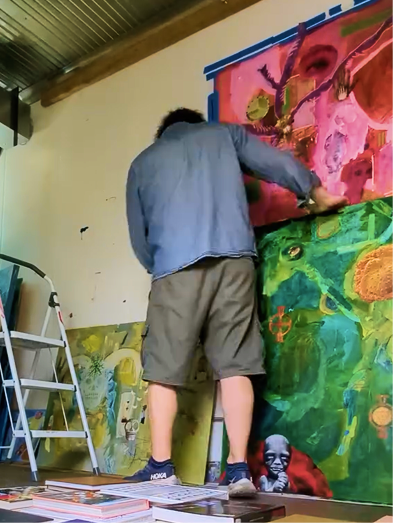
Greg Sinibaldi
Warehouse manager
I am the co-founder and product owner, deciding what to launch, how much to produce, how to allocate capital across SKUs, which factories to partner with, and how to prioritize growth strategies.
I also owned the brand's entire creative surface area, including logos, apparel graphics, surface design, and visual systems. This kept product design and storytelling closely aligned, reduced coordination overhead, and allowed us to iterate quickly.
Early products validated quickly, but launches were slow. Manufacturing pipelines were inefficient, stretching learning cycles and delaying drops.
At the same time, the audience was small. Even with reasonable conversion rates, low traffic translated into limited revenue, restricting the capital available to test new products.
As distribution began to improve through influencer partnerships, growth decisions became increasingly shaped by inventory depth, manufacturing throughput, and capital recovery, rather than demand alone.
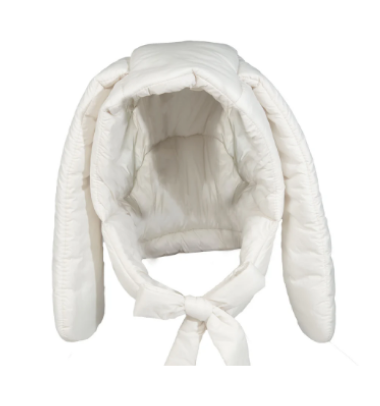
Our first product, the Puffer Bear Hood, demonstrated strong product-market fit but lacked reach.
By aggressively pursuing influencer partnerships, we moved approximately 500 units in 2024, confirming distribution as the primary constraint and establishing influencer seeding as a core growth channel.
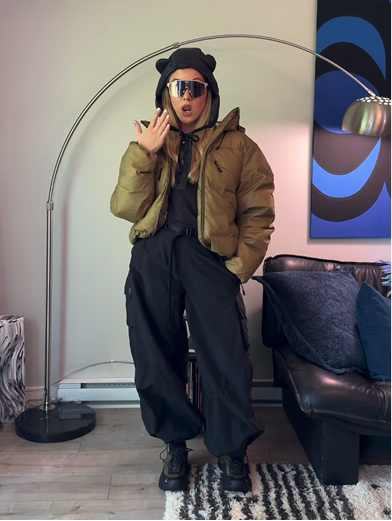
@sabriinab__
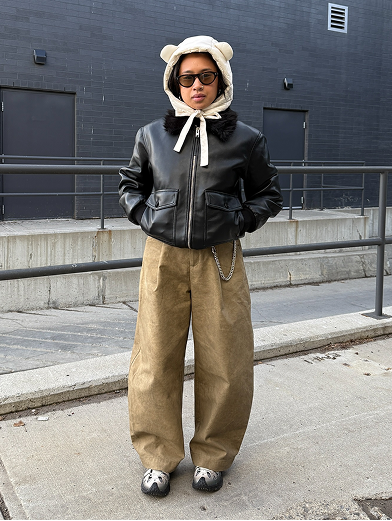
@laurenashleyrow
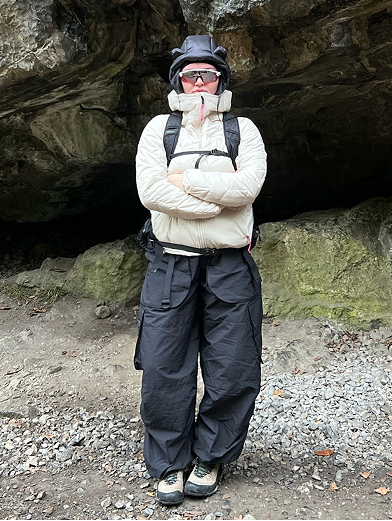
@amber0utside
Our second launch, the Dune Balaclava, was an attempt to improve conversion by expanding the product offering. It failed.
The product was complex to manufacture, capital-intensive, and shipped with bulk production errors, stranding capital and delaying subsequent drops.

Dune Balaclava

Dune Balaclava
These early outcomes clarified several things quickly:
- Distribution, not demand, was limiting growth
- Product–market fit was not guaranteed across categories
- Lateral expansion required discipline
- Manufacturing complexity compounded risk faster than it compounded upside
They also made it clear that relying solely on external creators for growth was fragile. We needed internal systems that could support repeatable launches, faster learning, and more predictable capital recovery.
To improve AOV, LTV, and overall conversion, we focused on expanding the product catalog rather than relying on a single hero SKU.
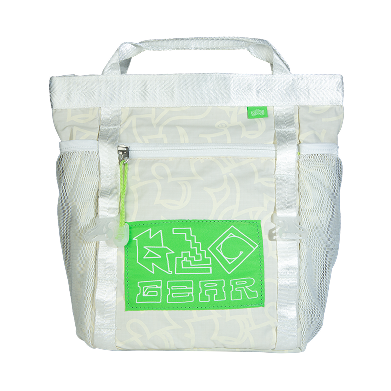
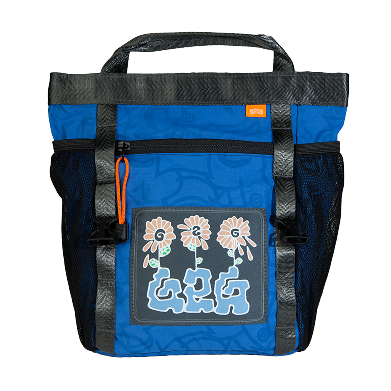
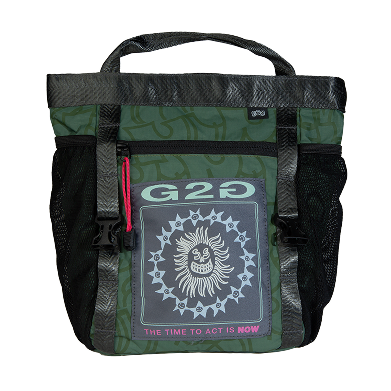
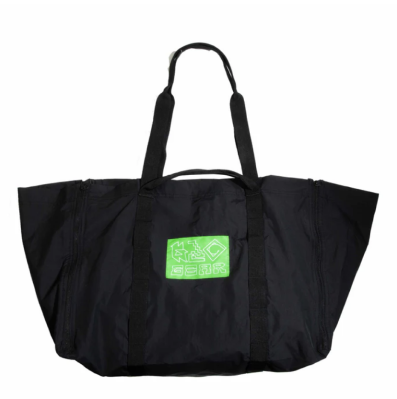
The ALL CITY bag line was an early test of this approach, it sold consistently and increased average order value.
More importantly, it shifted how we evaluated success, from judging products in isolation to understanding how they performed as part of a portfolio.
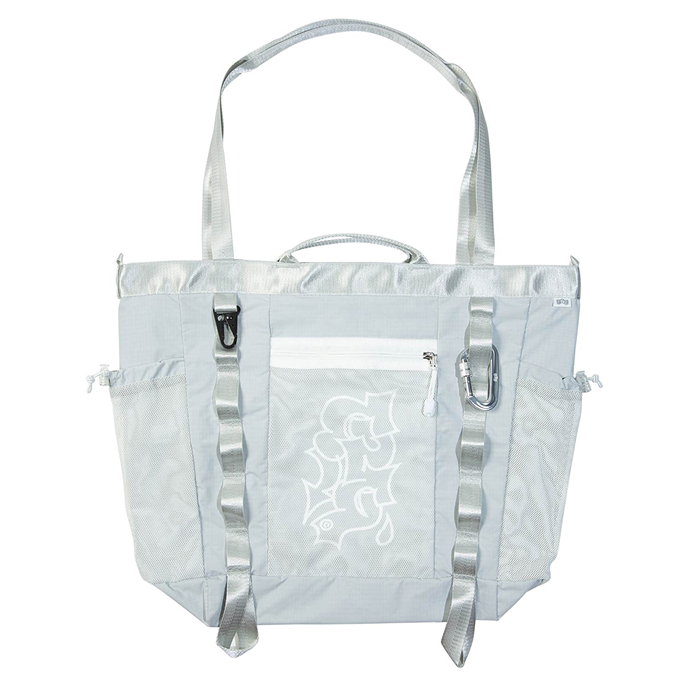
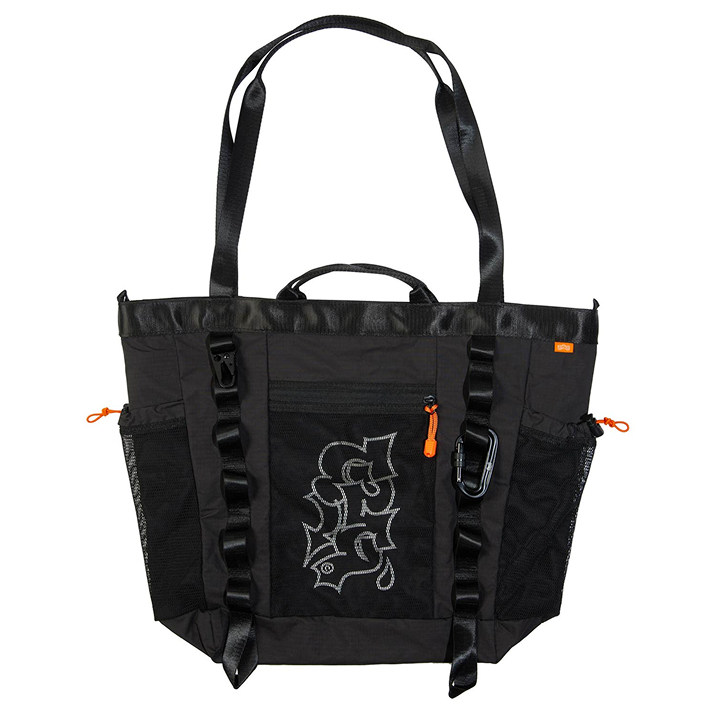
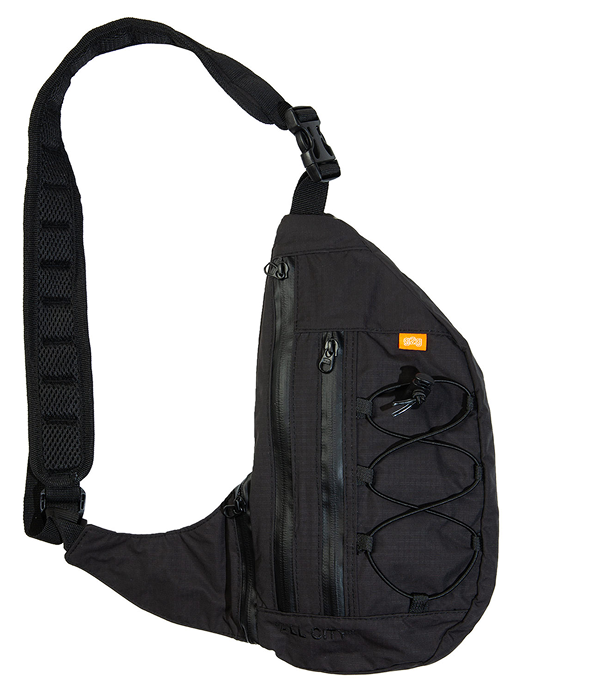
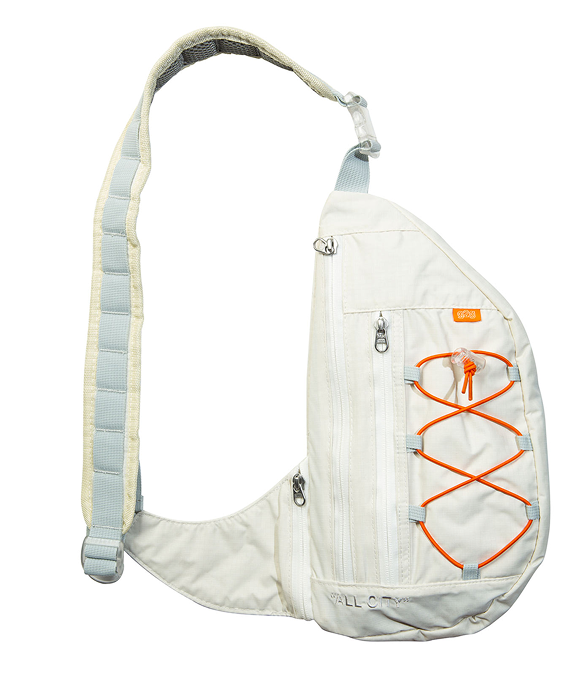
With shop-ability in mind, we continued expanding SKUs in SS24. While hats and t-shirts were slow online, they performed strongly in person.
Pop-ups became a way to recover capital quickly, while leftover inventory converted into long-tail profit, improving AOV across the system.
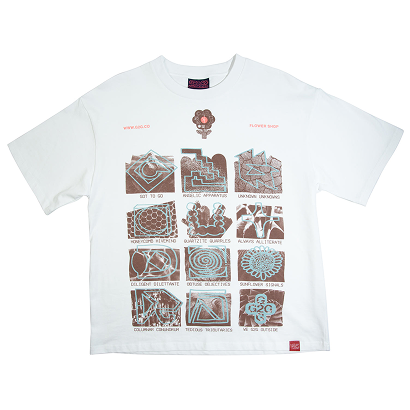
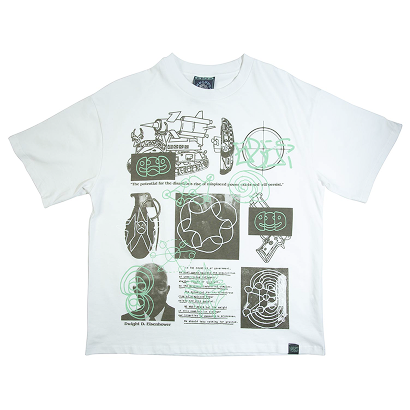
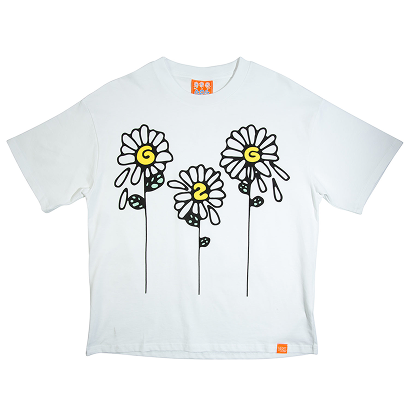
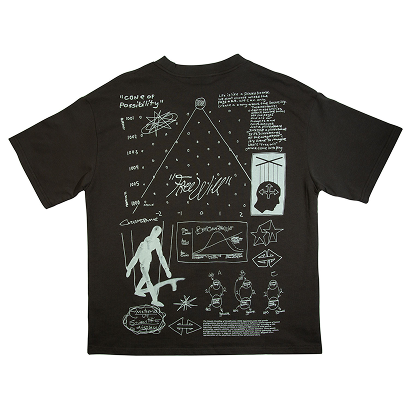
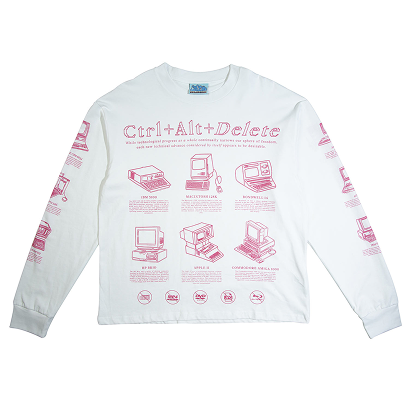
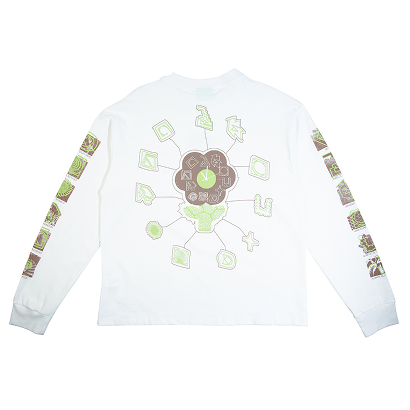
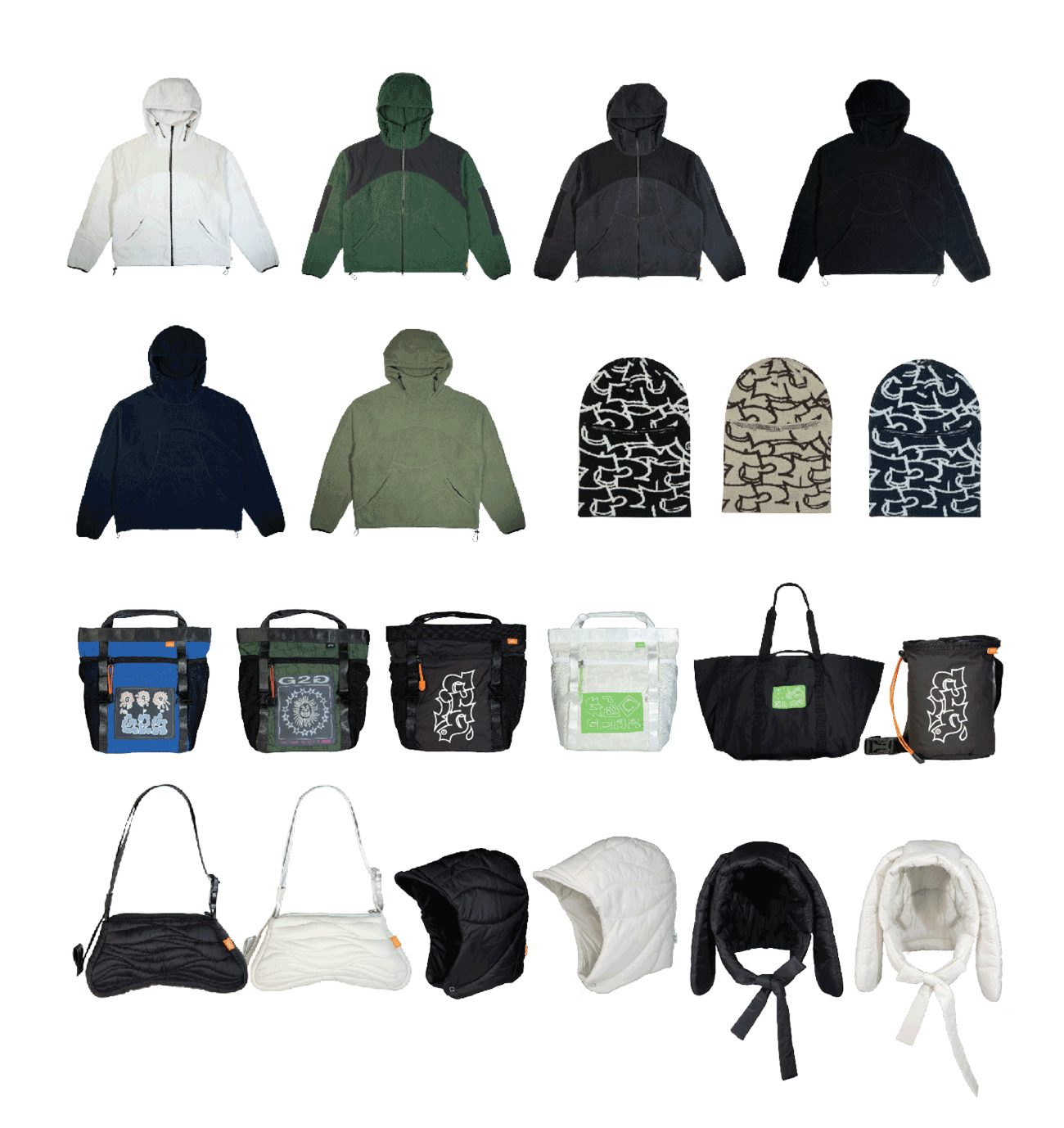
An aggressive FW25 drop further validated the shop-ability thesis. AOV had increased from roughly $60 to $90, but this introduced a new tradeoff: slower product velocity.
By FW25, we had depleted all working capital. At that point, inventory velocity and traffic became the bottlenecks. Long-tail products improved AOV, but they also slowed product velocity and tied up capital for longer.
The key realization was that long-tail inventory only worked when production costs were recovered early.
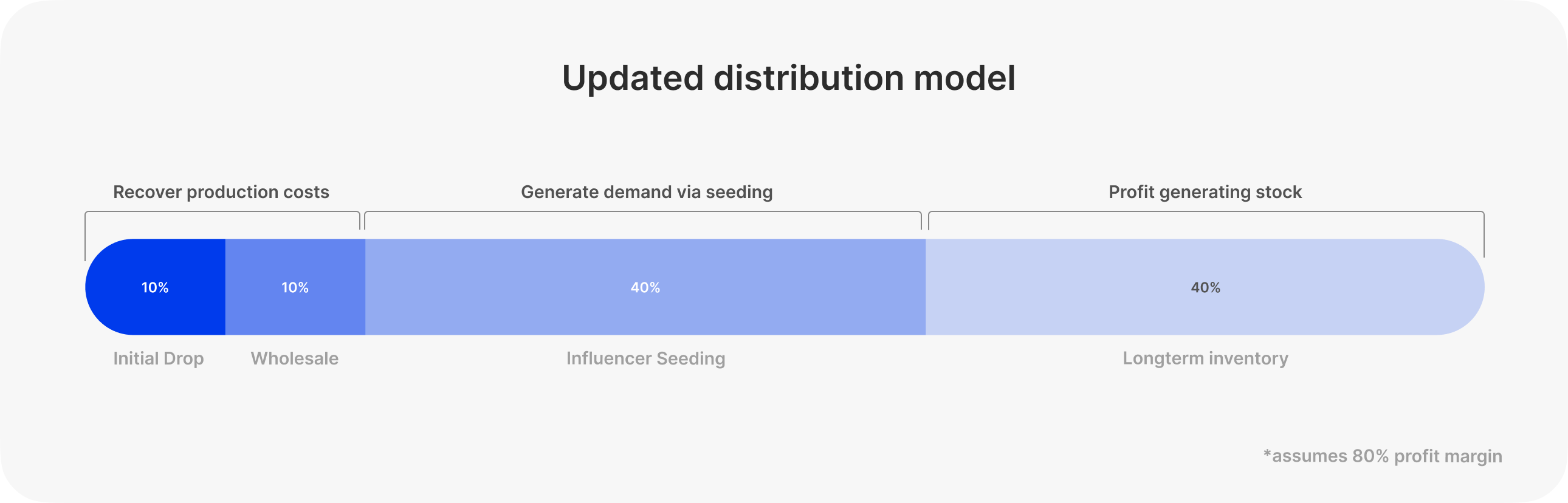
When initial drop momentum and stockist sales covered production costs, remaining inventory could be split.
Part was redeployed into influencer seeding and UGC, and part held as long-tail inventory.
In this model, inventory stopped being a drag on growth and became a reusable growth asset.
At a high level, product velocity is a design problem. To launch successfully, products must be easy to understand, desire, and purchase.
At the same time, many core categories such as pants, shorts, and athletic wear were still unproven, making some risk unavoidable.
To manage that risk, we introduced a simple drop heuristic and restructured the roadmap into four categories:
Core
Goal:
Expand proven products through iterations and variations.
Risk
Low
Allocation
40%
Experiments
Goal:
Test new SKUs and categories to identify future winners.
Risk
High
Allocation
50%
Story
Goal:
Brand-forward products where revenue is secondary.
Risk
Medium
Allocation
5%
Longtail
Goal:
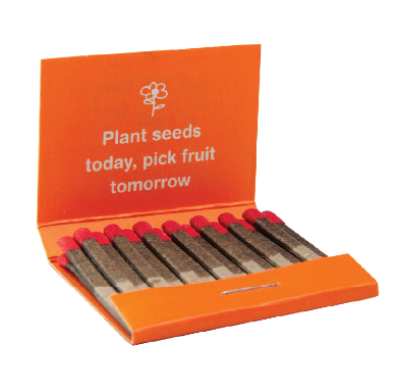
Low-capital, high-margin accessories that improve AOV.
Risk
Low
Allocation
5%
Experimental SKUs graduated to Core when they reached top-10 sales performance or demonstrated sustained demand. This structure allowed us to explore new categories without stranding capital.
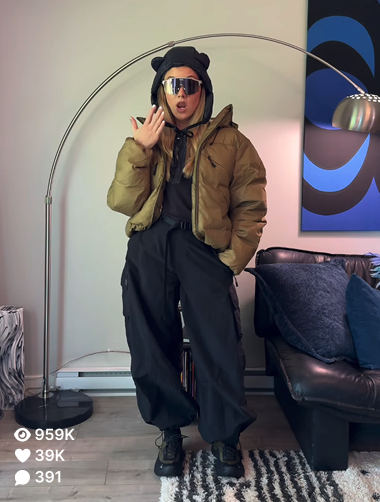
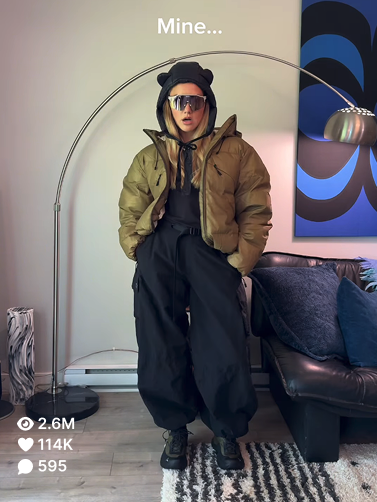
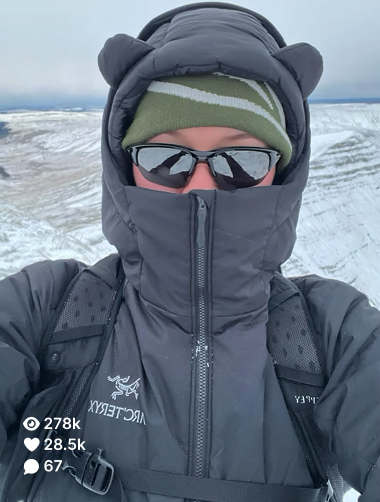
After updating our distribution model, we significantly increased influencer seeding, focusing primarily on our most viral SKU, the Bear Hood, where margin and shareability created the highest leverage.
Direct attribution was limited, but impact was clear. Even with a conservative model attributing only half of Bear Hood sales in 2024 to influencers, we sold roughly 3 units for every product seeded.

@sabriinab__

@sabriinab__
@sabriinab__
@sabriinab__
@amber0utside

@amber0utside
We ran a high-volume, low-friction seeding program by gifting product without posting requirements. Most creators posted organically.

Creators who consistently drove engagement were elevated into a core launch network, creating a compounding distribution layer with each drop.
To remove product velocity as a bottleneck, we rebuilt the product pipeline around throughput and reliability. We built a structured, multi-vendor product pipeline spanning sketching, BOM definition, prototyping, tech packs, sampling, and bulk production across five factories.
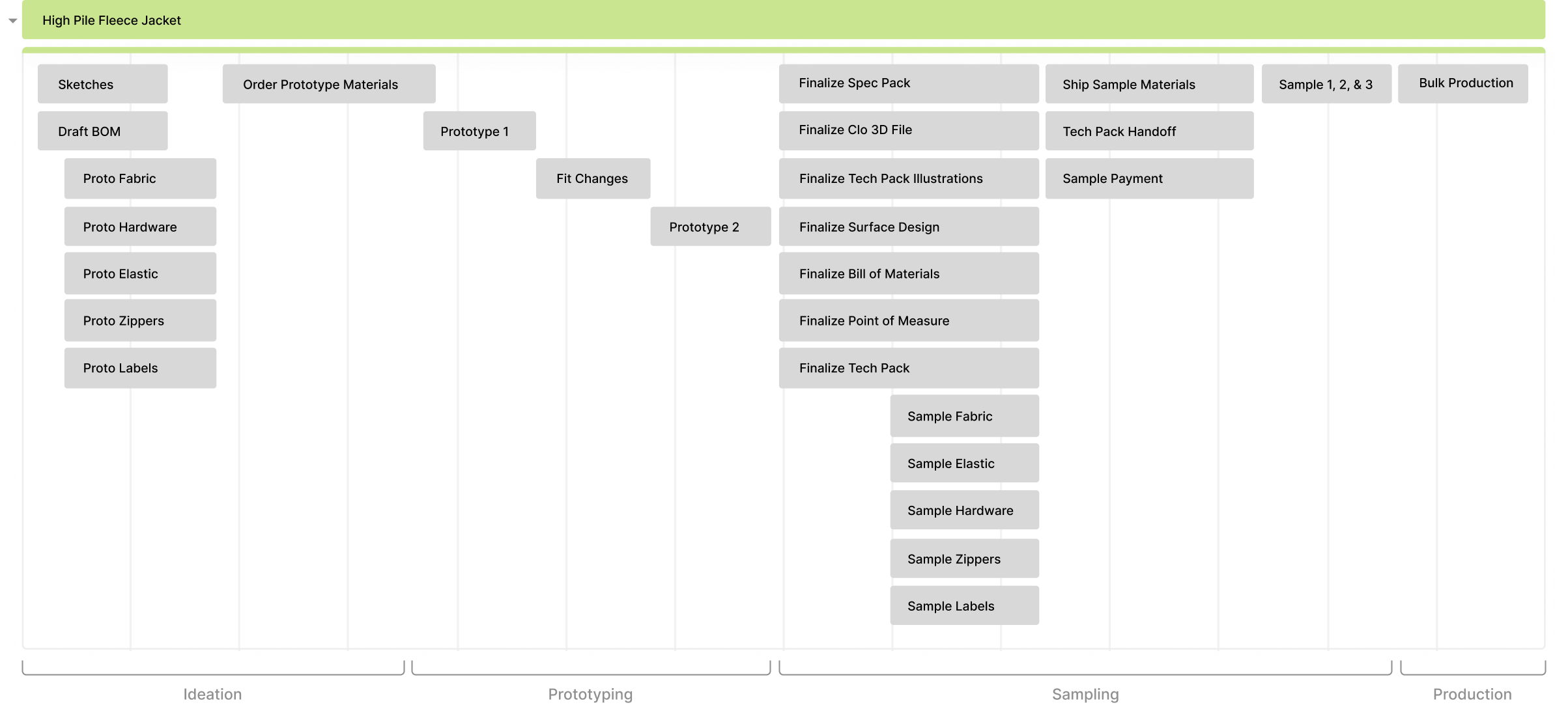
This enabled us to scale both vertically and laterally, launching 100+ SKUs over ~24 months while managing long lead times, inventory risk, and constrained capital.
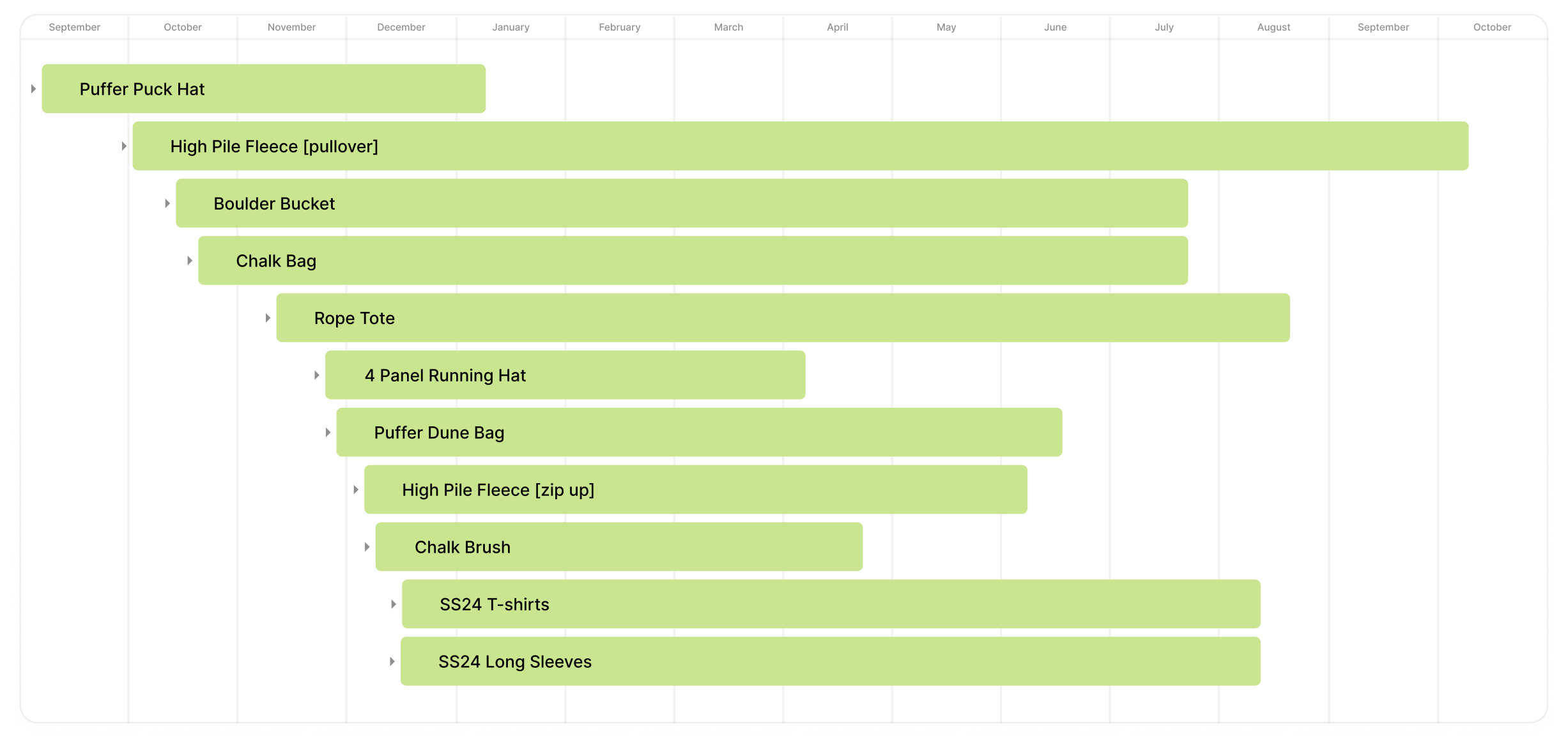
Fast-cycle categories such as hats, tees, and bags were prioritized for experimentation, while slower categories like pants and technical outerwear were treated more conservatively.
By structuring the pipeline around reliability and throughput, manufacturing is no longer the constraint. Growth is now governed by product velocity and distribution.
Building g2g meant operating inside a tightly constrained system where feedback was delayed, failure was expensive, and outcomes depended on coordinating multiple moving parts over time.
The most important shift was learning to reason about constraints as interdependent rather than singular. Early on, slow product timelines limited growth by delaying feedback and increasing iteration cost.
As those systems improved, distribution became, and has remained, the primary limiter. Capital and production timing didn't replace distribution as constraints, but shaped the risk profile of every decision by amplifying the cost of getting it wrong.
I moved away from optimizing for isolated outcomes, like selling out a product, and toward optimizing for system-level health: speed of learning, rate of capital recovery, and resilience of the revenue core. In practice, payback period proved more reliable than top-line performance in environments with long feedback loops.
Managing a multi-vendor product pipeline reinforced the importance of interface design between systems. Clear specs, disciplined communication, and early validation reduced downstream risk more effectively than late-stage fixes. I learned to move quickly in exploration while holding a high bar for quality once a direction was validated.
I also became more deliberate about portfolio strategy. Protecting proven revenue streams while experimenting at the edges allowed us to explore new categories without destabilizing the core. This barbell approach to risk proved more durable than uniform optimization.
If starting again, I would simplify earlier, structure pipelines sooner, and prioritize fast, predictable capital recovery before expanding complexity. These principles now guide how I approach ambiguous product problems at larger scale, especially in systems with high coordination cost, delayed feedback, and asymmetric downside.